The Ultimate Guide to Bordeaux
Wineros Tasting Panel · Methodology
If Napa Valley is the "New World" superstar, Bordeaux is the "Old World" legend. Located in Southwest France along the Atlantic coast, this region has defined the standard for luxury red blends for over 2,000 years. Unlike Napa, where you often see 100% Cabernet, Bordeaux is the master of the blend, using different grapes like a chef uses spices to create balance and complexity.
The Great Divide: Left Bank vs. Right Bank
The Bordeaux region is split down the middle by the Gironde Estuary. Where a winery sits on the river determines everything about the wine’s style and flavor.
| Feature | The Left Bank (The Powerhouse) | The Right Bank (The Velvet) |
|---|---|---|
| Dominant Grape | Cabernet Sauvignon | Merlot |
| The Soil | Deep gravel (holds heat) | Clay and limestone (stays cool) |
| The Vibe | Structured, tannic, and built to age | Plush, soft, and approachable |
| Primary Flavors | Dark Current, Graphite, Cedar | Black cherry, Plum, Chocolate |
| Key Regions | Pauillac, Margaux, Saint-Julien | Saint-Émilion, Pomerol |
| Famous Names | Château Lafite Rothschild, Margaux | Château Petrus, Cheval Blanc |
Understanding "En Primeur" & Classifications
Bordeaux is unique because of how its wines are sold and ranked:
- The 1855 Classification: At the request of Napoleon III, the best wines of the Left Bank were ranked from "First Growth" to "Fifth Growth." Remarkably, this list has remained almost unchanged for over 170 years.
- En Primeur: Each spring, the newest vintage is tasted while still in the barrel. Collectors buy these wines "futures" style—paying now to secure a lower price before the wine is bottled and released two years later.
Bordeaux Trends to Watch in 2026
- The Rise of "Satellite" Appellations: In 2026, as the prices of "First Growths" reach record highs, savvy drinkers are moving to regions like Fronsac and Côtes de Bordeaux. These areas offer the same "Right Bank" Merlot plushness at a fraction of the cost.
- Sustainability & New Grapes: Due to a warming climate, Bordeaux has recently allowed the planting of new grapes like Touriga Nacional (the star of Portugal) to help maintain acidity and freshness in the blends.
- Lighter Extraction: The 2026 trend in Bordeaux winemaking is "infusion over extraction." Winemakers are moving away from heavy oak and aggressive tannins in favor of wines that are elegant, floral, and drinkable at a younger age.
White & Sweet Bordeaux
Don't let the reds steal all the glory. Bordeaux produces two other world-class styles:
- Dry Whites (Pessac-Léognan): Elegant blends of Sauvignon Blanc and Sémillon. They are often oaked, tasting like a zesty Sauvignon Blanc with the creamy weight of a Chardonnay.
- Sauternes: The "Liquid Gold" of the wine world. These are luscious dessert wines affected by "Noble Rot," tasting of honey, apricot, and ginger.
How to Pair Bordeaux
Bordeaux is designed to be consumed with food—it has the acidity and tannin to "cut" through rich proteins.
Left Bank Pairing
Classic Roast Lamb with Garlic and Thyme. The tannins in Cabernet Sauvignon love the savory fat of the lamb.
Right Bank Pairing
Roasted Duck or Mushroom Risotto. The softness of Merlot complements the gamey flavor of duck and the earthiness of mushrooms.
The "Cheese" Rule
Avoid soft, runny cheeses. Stick to hard, aged cheeses like Mimolette or an old Comté.
Recommended Bottles
Hand-picked selections from our cellar that exemplify this style.
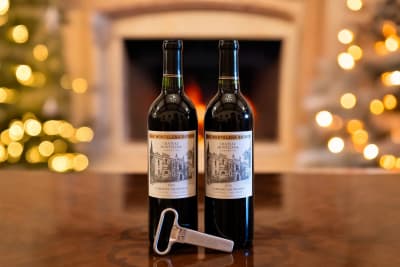
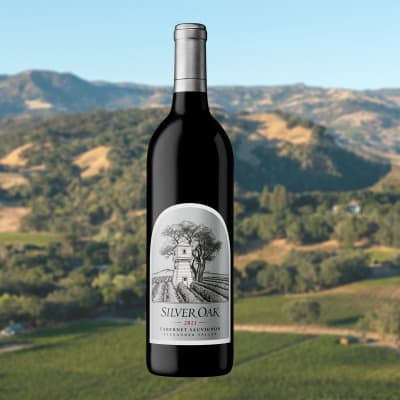
Silver Oak Alexander Valley Cabernet Sauvignon
$105

Affiliate links — we may earn a small commission at no extra cost to you.
Related Buying Guides
Expert picks curated for this style.
Keep Reading
More from Top 10 Wine Regions.
Inspired to taste?
Explore our hand-picked selections in the cellar.