The Ultimate Guide to Marlborough
Wineros Tasting Panel · Methodology
Located at the northern tip of New Zealand’s South Island, Marlborough is the region that put New Zealand on the global wine map in the 1980s. Today, it accounts for over 70% of the country’s total wine production. It is a land of extreme purity, high sunshine hours, and a unique "electric" energy that you can taste in every glass.
The Secret to the "Zing"
Marlborough’s signature style—that explosive, mouth-watering freshness—comes from its unique geography:
- The Diurnal Shift: Marlborough has some of the highest sunshine hours in New Zealand, but the nights are bone-chillingly cold. This "diurnal shift" allows grapes to develop sugar and flavor during the day while "locking in" high acidity at night.
- The Glacial Soils: Ancient glaciers and rivers left behind a mix of stone, silt, and clay. These free-draining soils force the vines to struggle, concentrating the flavors in the grapes.
The Three Sub-Valleys: A 2026 Map
In 2026, the big trend is Sub-Regionality. Collectors are now looking for specific valleys rather than just "Marlborough" on the label:
| Feature | Wairau Valley (The Classic) | Awatere Valley (The Wild) | Southern Valleys (The Deep) |
|---|---|---|---|
| The Vibe | Ripe, tropical, and "punchy." | Mineral, flinty, and "wind-swept." | Serious, structured, and earthy. |
| Primary Flavors | Passionfruit, grapefruit, and lime. | Tomato leaf, crushed stone, and herbs. | Dark cherry, plum, and spice. |
| Top Variety | Sauvignon Blanc | Sauvignon Blanc & Riesling | Pinot Noir |
Marlborough Trends to Watch in 2026
- "Appellation Marlborough Wine" (AMW): In 2026, look for the AMW seal on the bottle. This is a strict certification created by local producers to protect the quality of the region. It guarantees the wine was 100% grown in Marlborough, bottled in New Zealand, and made with sustainable practices.
- The Rise of Alternative Bubbles: While the region is famous for "Methode Traditionnelle" (Champagne-style) sparkling, 2026 has seen a boom in Sauvignon Blanc Pét-Nat. These are cloudy, fizzy, and fun wines that capture the raw tropical energy of the grape.
- Experimental Sauvignon: Leading producers are moving away from stainless steel. In 2026, you'll see more Sauvignon Blanc fermented in Amphorae (clay jars) or large oak puncheons, adding a creamy, "savory" complexity to the classic zing.
Beyond Sauvignon Blanc
While Sauvignon Blanc is the anchor, Marlborough is now a world-class producer of two other varieties:
- Pinot Noir: Marlborough Pinots are the "bright" cousins to the bold style of Central Otago. Expect flavors of fresh raspberry, violet, and red cherry with a silky, elegant finish. (Producers like Dog Point and Nautilus are the ones to watch here).
- Chardonnay: Often overlooked, Marlborough Chardonnay is a hidden gem. It is lean, mineral-driven, and high-acid—frequently compared to the "Chablis" style of France.
How to Pair Marlborough Wine
These wines are the ultimate "palate cleansers" and thrive with fresh, vibrant ingredients.
The Sauvignon Match
Raw Seafood. Fresh oysters, ceviche, or a classic New Zealand green-lipped mussel pot.
The "Green" Rule
One of the few wines that pairs perfectly with Asparagus, pea shoots, and fresh pesto.
The Pinot Match
Grilled Salmon. The bright red fruit and high acidity of Marlborough Pinot Noir are a natural partner for the oils of the fish.
The 2026 Trend
Pair a "Wild Ferment" Sauvignon Blanc with Vietnamese or Thai cuisine. The herbal notes in the wine harmonize beautifully with mint, cilantro, and lemongrass.
Recommended Bottles
Hand-picked selections from our cellar that exemplify this style.
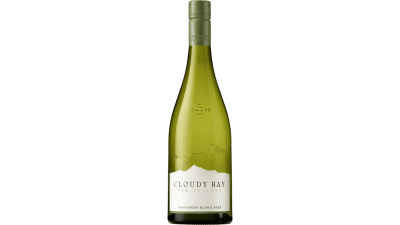

Affiliate links — we may earn a small commission at no extra cost to you.
Related Buying Guides
Expert picks curated for this style.
Keep Reading
More from Top 10 Wine Regions.
Inspired to taste?
Explore our hand-picked selections in the cellar.